AI in Tertiary Education | P2P AI Webinar Series P2P...
Read MoreIn-person attendance
Join us at Tysons Corner Marriott.
$100
Scan to reserve your seatUse your phone camera to open the secure Zeffy ticket page.
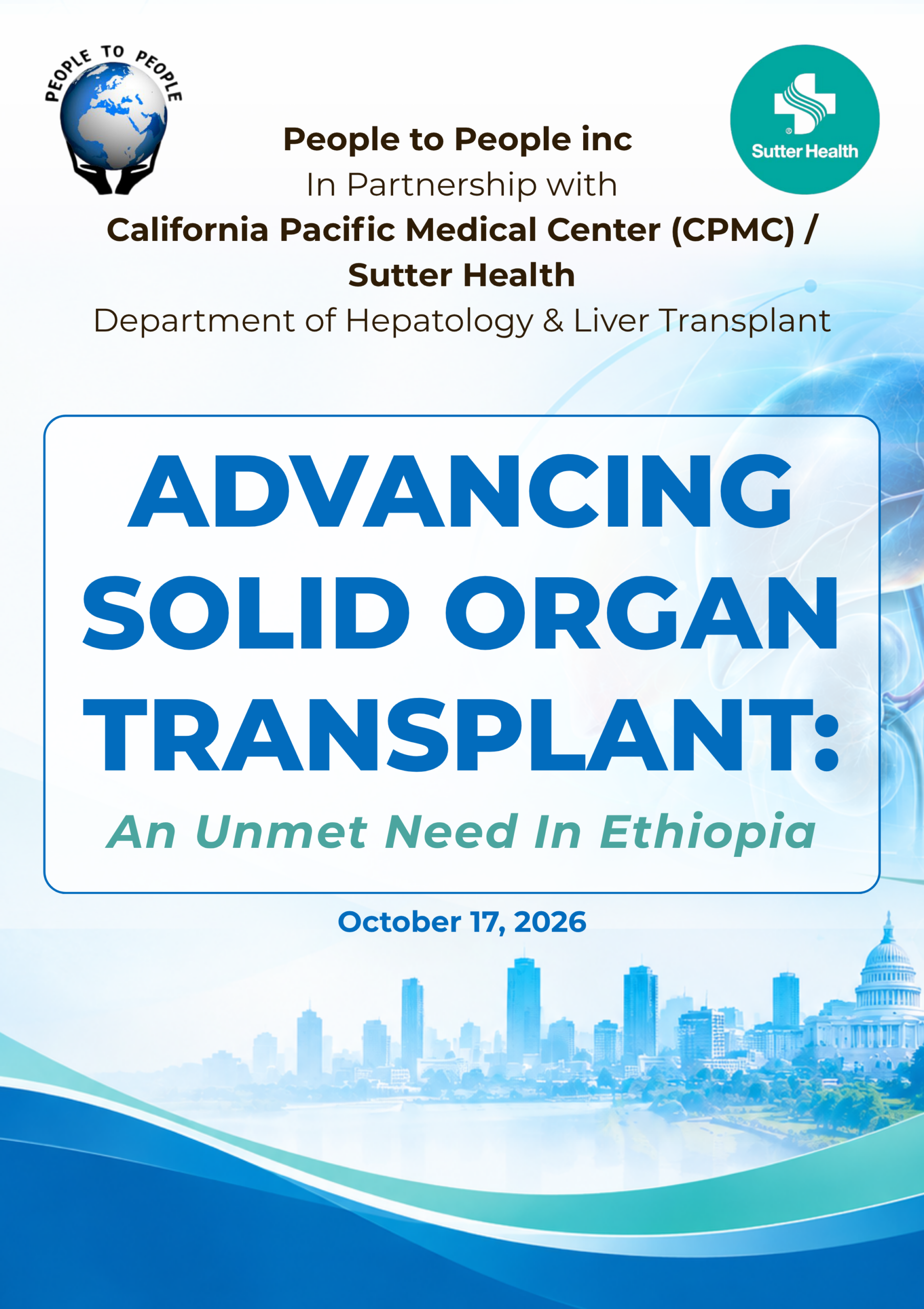
Advancing Solid Organ Transplant: An Unmet Need in Ethiopia · October 17, 2026


Certification requirementImportant: Survey completion is required for conference certification.
Register for the conference. In-person tickets are listed first.
Join us at Tysons Corner Marriott.
Join online with Zoom.
October 17, 2026
8:00 AM – 6:30 PM
Hybrid conference
In partnership with California Pacific Medical Center (CPMC), Department of Hepatology and Liver Transplant, San Francisco, CA
Review the conditions driving end-stage liver and kidney failure in Ethiopia and their associated morbidity and mortality.
Evaluate current national transplant efforts, including the pioneering living-donor kidney transplant program at St. Paul’s Hospital Millennium Medical College (SPHMMC), Addis Ababa, and assess progress and gaps in developing liver transplant capability.
Convene hepatologists, nephrologists, transplant surgeons, nurses, coordinators, and policy leaders to identify practical support strategies.
Engage institutional leaders and industry partners to secure supply chains, diagnostics, surgical equipment, and immunosuppressive medications needed for sustainable services.
Produce prioritized recommendations with benchmarks and a 12-month follow-up timeline.
9:30 – 9:45 — Liver Disease Burden in Ethiopia; 9:45 – 10:00 — End-Stage Kidney Disease in Ethiopia.
10:00 – 10:15 — Kidney Transplant Program at SPHMMC: Update; 10:15 – 10:30 — Liver Transplant Program: Readiness & Roadmap; 10:30 – 11:00 — Leadership Panel: Scaling Up Through International Partnerships.
11:35 – 11:55 — Organ Donation & Allocation in Ethiopia: Current State; 11:55 – 12:15 — Lessons from the U.S. Organ Procurement System: An OPO Perspective; 12:15 – 12:20 — Moderated Q&A.
Group A — Clinical & Surgical Workforce: Training & Retention; Group B — Legal, Bioethical & Donation Policy Frameworks; Group C — Post-Transplant Care & Patient Registries; Group D — Supply Chain, Immunosuppression Access & Diagnostics.
Director General of the Ethiopian Pharmaceutical Supply Service (EPSS). His work centers on Ethiopia’s public pharmaceutical supply system and access to medical products. He has participated in initiatives addressing equitable distribution of pharmaceutical supplies and gender inclusion within the health supply chain. The Ethiopian Pharmaceutical Association identified him as EPSS Director General at its July 2026 scientific conference.
a public health educator and researcher associated with Howard University’s Department of Allied Health Sciences. His published work examines Ethiopia’s health-service delivery, medical education, and health workforce development, as well as partnerships involving African and African American institutions. People to People lists him among its senior advisers to the board and president. His work connects health systems research, professional education, and diaspora collaboration.
an internal medicine physician with expertise in hospice and palliative care. P2P’s biography identifies his leadership in geriatrics and long-term care at the Veterans Affairs Medical Center in Martinsburg, West Virginia. He coordinates P2P initiatives supporting palliative care training and clinical services in Ethiopia and has contributed to educational modules developed under the Mayo Clinic Global HIV Initiative.
an associate professor of pediatrics and Director General of the Ethiopian Blood and Tissue Bank Service. He leads initiatives to modernize Ethiopia’s national blood services, emphasizing safety, quality, governance, digitalization, and equitable access. His work also encompasses strengthening blood and plasma systems and developing capacity for specialized therapies. He participates in international professional collaborations addressing blood services, transplantation, and cellular therapies in resource-limited settings.
an associate professor of medicine in gastroenterology and hepatology at the University of Rochester Medical Center. Raised in Addis Ababa, he earned his medical degree at Meharry Medical College and completed internal medicine residency and fellowships in gastroenterology and transplant hepatology at Mayo Clinic. He previously practiced at Geisinger, where he also served as associate director of the gastroenterology fellowship. His interests include advanced liver disease, viral hepatitis, liver cancer prevention, transplantation, and global health collaboration.
Ethiopia’s State Minister of Health for the Health Service and Program Wing. A physician and public health specialist, he previously held planning, monitoring, and senior leadership positions at the Oromia Regional Health Bureau. His national responsibilities have included the COVID-19 response, restoration of essential health services, and implementation of health-sector reforms. His career spans clinical practice, public health administration, and regional and national health leadership.
a neurologist and the founder and president of People to People, Inc. He earned his medical degree at Comenius University and completed neurology residency training at the University of Kentucky, followed by advanced training in pain management, neurophysiology, and Neuro-AIDS. Through P2P, he has supported medical education and institutional partnerships in Ethiopia, including residency development. He also founded the People’s Free Clinic in Morehead, Kentucky, to serve working people without adequate access to healthcare.
a Penn Medicine physician working in gastroenterology and liver transplantation, with clinical locations in Reading and Lehighton, Pennsylvania. He received his medical education at Jimma University and completed postgraduate training at Harbor Hospital and Rutgers New Jersey Medical School. His clinical work includes liver disease, cirrhosis, viral hepatitis, and transplant care. His publications address complications of advanced liver disease and the management of liver transplant recipients.
an Ethiopian diplomat and public-sector leader who was appointed Director General of the Immigration and Citizenship Service in October 2026. He previously led the Ethiopian Diaspora Service and served as Ethiopia’s ambassador to the United States and Canada. His work has included diaspora engagement, international partnerships, and mobilizing overseas Ethiopian communities’ contributions to national development.
a gastroenterologist, hepatologist, and researcher whose work focuses on viral hepatitis and expanding access to liver care in Ethiopia. He has served as a professor and consultant at St. Paul’s Hospital Millennium Medical College and undertaken advanced hepatology training in Canada. He co-founded the Ethio-Norwegian Hepatology Association and Hepatitis in Africa Network and contributed to Ethiopia’s hepatitis B treatment scale-up. His 2025 research lists affiliations with St. Paul’s and the Toronto Centre for Liver Disease.
Director General of the Ethiopian Food and Drug Authority (EFDA). Her leadership concerns the regulation, safety, and quality of food and pharmaceutical products, including engagement with manufacturers, investors, and public health partners. She previously served as Deputy Director General of the authority’s predecessor organization. Her published contributions include research on medicine quality and tobacco-control compliance, reflecting her involvement in regulatory systems and public health protection.
Managing Director of the Center for Disease Analysis Foundation, a nonprofit organization supporting the elimination of viral hepatitis. His work focuses on epidemiology, disease modeling, and the use of evidence to guide hepatitis prevention and treatment strategies. He has authored and co-authored research on the global burden of hepatitis B and C and national elimination pathways. The foundation’s Polaris Observatory provides data, modeling tools, and decision support for hepatitis elimination efforts.
a transplant hepatologist at California Pacific Medical Center, part of Sutter Health in San Francisco, and Medical Director of its Autoimmune Liver Disease Program. Her work combines specialist liver care with international collaboration and clinical capacity building. She has helped lead efforts to develop liver transplantation in Ethiopia, including multidisciplinary medical missions through which CPMC clinicians provide patient care, training, and support to Ethiopian colleagues at St. Paul’s Hospital Millennium Medical College.
an associate professor of internal medicine and nephrologist at St. Paul’s Hospital Millennium Medical College in Addis Ababa. His clinical and research work addresses chronic kidney disease, hemodialysis, and kidney transplantation. He has contributed to studies examining dialysis survival, hepatitis B vaccination among dialysis patients, medication-related problems in chronic kidney disease, and outcomes following kidney transplantation in Ethiopia. His work provides locally grounded evidence for improving renal care and long-term patient management.
Academic and Medical Services Corporate Director at St. Paul’s Hospital Millennium Medical College and an associate professor of obstetrics and gynecology. His expertise includes family planning, reproductive health, and maternal and fetal medicine. He has contributed to reproductive health guidelines, training materials, research, and professional education. His previous service includes clinical departmental leadership and medical officer roles with WHO and UNFPA, bringing together clinical practice, academic leadership, and international health collaboration.
Ethiopia’s Minister of Health and an obstetrician-gynecologist with expertise in family planning and reproductive health. She studied medicine at Hawassa University and completed specialist training at Addis Ababa University. Before becoming minister, she held leadership and technical roles at WHO, CIRHT Africa, and Hawassa University and served as president of the Ethiopian Society of Obstetricians and Gynecologists. Her work emphasizes equitable access to healthcare, women’s health, and evidence-based health policy.
Chief Executive Director of St. Paul’s Hospital Millennium Medical College and a physician specializing in psychiatry. He previously served the institution as an assistant professor, head of psychiatry, and senior adviser for medical services before leading Eka Kotebe Hospital. He is also a former president of the Ethiopian Psychiatric Association. His experience spans clinical care, teaching, program management, and hospital leadership, with responsibility for strengthening medical education and service delivery.
Medical Director of Liver Transplantation at California Pacific Medical Center and Director of its Alcohol-associated Liver Disease Program. Board-certified in gastroenterology and transplant hepatology, he studied medicine at University College Dublin and trained at Washington University in St. Louis and the University of California, San Francisco. His research includes metabolic liver disease and clinical trials in hepatology, while his clinical leadership addresses transplant access and multidisciplinary care for patients with advanced liver disease.
Associate Professor of Clinical Medicine at Johns Hopkins and Program Director of its Gastroenterology and Transplant Hepatology Fellowships. She also serves as Associate Program Director for Diversity, Equity and Inclusion in the Osler Medical Residency. Her clinical practice addresses acute and chronic liver disease, including viral hepatitis, fatty liver disease, and cirrhosis requiring transplant evaluation. Her research focuses on hepatocellular carcinoma, chronic viral hepatitis, and liver transplantation outcomes.
a physician identified in Ethiopian reporting as director of the transplant department at St. Paul’s Hospital Millennium Medical College in Addis Ababa. His documented work addresses expanding transplant capacity and the practical requirements for sustainable services, including donor protection, donation logistics, and a national transplant database. He has also highlighted how shortages of medicines and diagnostic supplies constrain transplant care in Ethiopia.
an associate professor of surgery and consultant general and hepatopancreatobiliary surgeon associated with St. Paul’s Hospital Millennium Medical College. He has held senior academic and medical-services leadership roles at the institution, including vice provost responsibilities. His published work addresses access to surgical care, patient quality of life following stoma surgery, and surgical safety. His career combines specialist surgical practice, medical education, research, and institutional leadership.
an Ethiopian gastroenterologist and internal medicine physician whose published work is associated with St. Paul’s Hospital Millennium Medical College. His research includes the causes and outcomes of upper gastrointestinal bleeding and the assessment of noninvasive markers of liver fibrosis in patients with hepatitis C. He has collaborated with Ethiopian and international colleagues on digestive and liver disease research, contributing evidence relevant to clinical care in Ethiopia.
Chief Operating Officer of LifeShare Network, overseeing its donor-related and clinical operations. He brings approximately 20 years of leadership experience in organ procurement, including positions serving communities in California, Nevada, New Jersey, and Texas. A registered nurse and certified procurement transplant coordinator, he holds a master’s degree in biomedical sciences with a concentration in human donation science. His work includes strengthening hospital partnerships, developing donation teams, and collaborating with researchers and community organizations to advance transplantation and public trust in donation.
a U.S. diplomat whose career has included service as Consul General in Florence, Director of African Affairs at the National Security Council, and a member of the U.S. Middle East peace team. She also directed the State Department’s Advanced Arabic Institute in Tunisia and worked on innovation and virtual engagement through its Office of eDiplomacy. Her career has focused on international partnerships, cross-cultural collaboration, and the use of technology in diplomacy.
a former U.S. Assistant Secretary of State for African Affairs and former U.S. ambassador to Ethiopia and Guinea. His diplomatic career included extensive service across Africa and senior embassy assignments in Seychelles, Togo, Cameroon, and Nigeria. He subsequently served for 15 years as Vice Provost for International Affairs at Texas Tech University. His experience spans U.S.–Africa relations, international education, crisis management, and diplomatic efforts addressing conflict and humanitarian challenges.
a former U.S. ambassador to Ethiopia and Burkina Faso and a scholar of African affairs at George Washington University’s Elliott School of International Affairs. He served for 37 years in the U.S. Foreign Service, with assignments across Africa and the Middle East. He holds bachelor’s, master’s, and doctoral degrees from George Washington University. His scholarship and public commentary address the Horn of Africa, U.S.–Africa relations, and China’s engagement with Africa.
Your registration page is opening in a new tab.
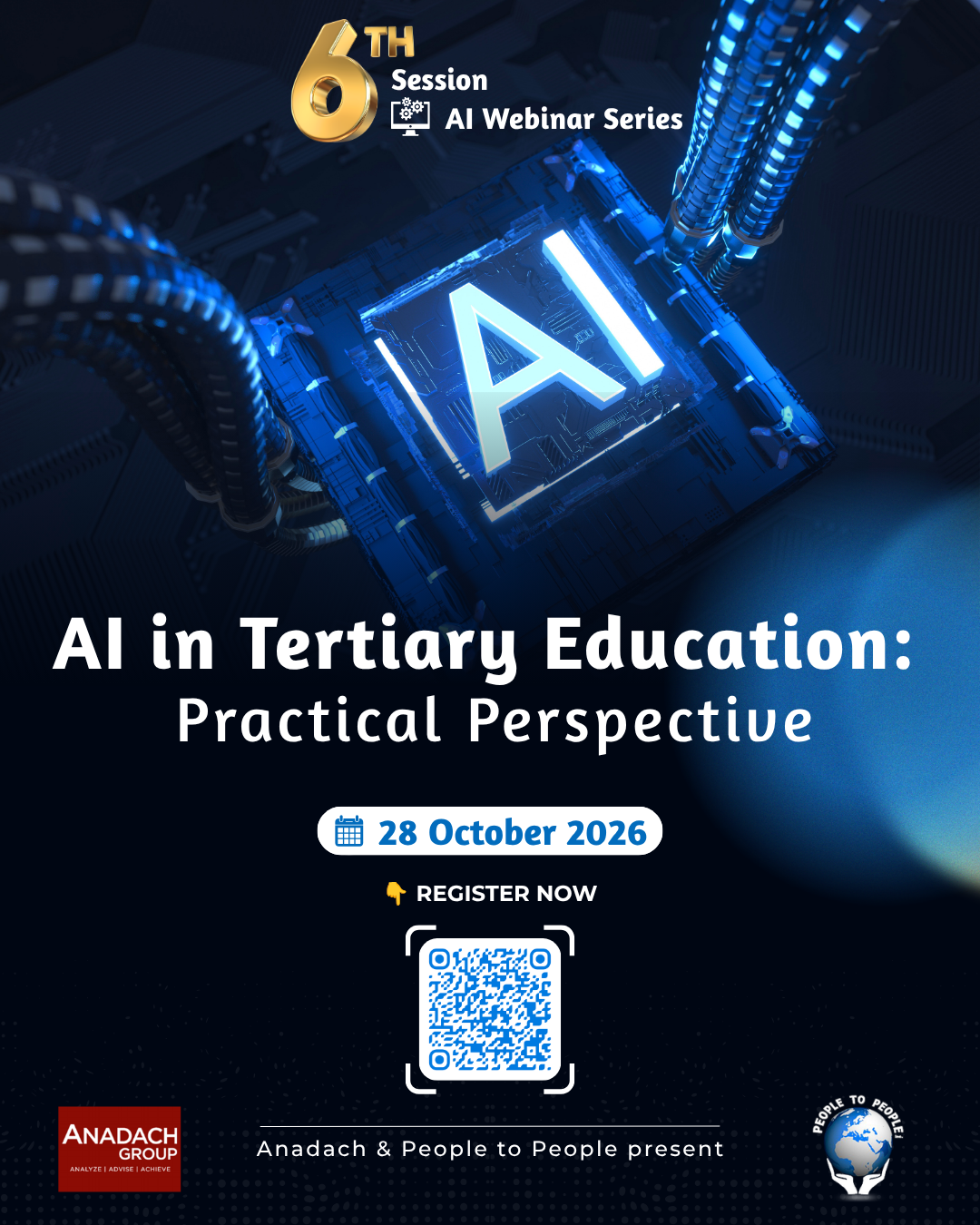
AI in Tertiary Education | P2P AI Webinar Series P2P...
Read More
P2P 18th Annual Conference | People to People ⌂Event▤Agenda◉Panelists▧Profile⌖Location✓Survey↗Register 🌍...
Read More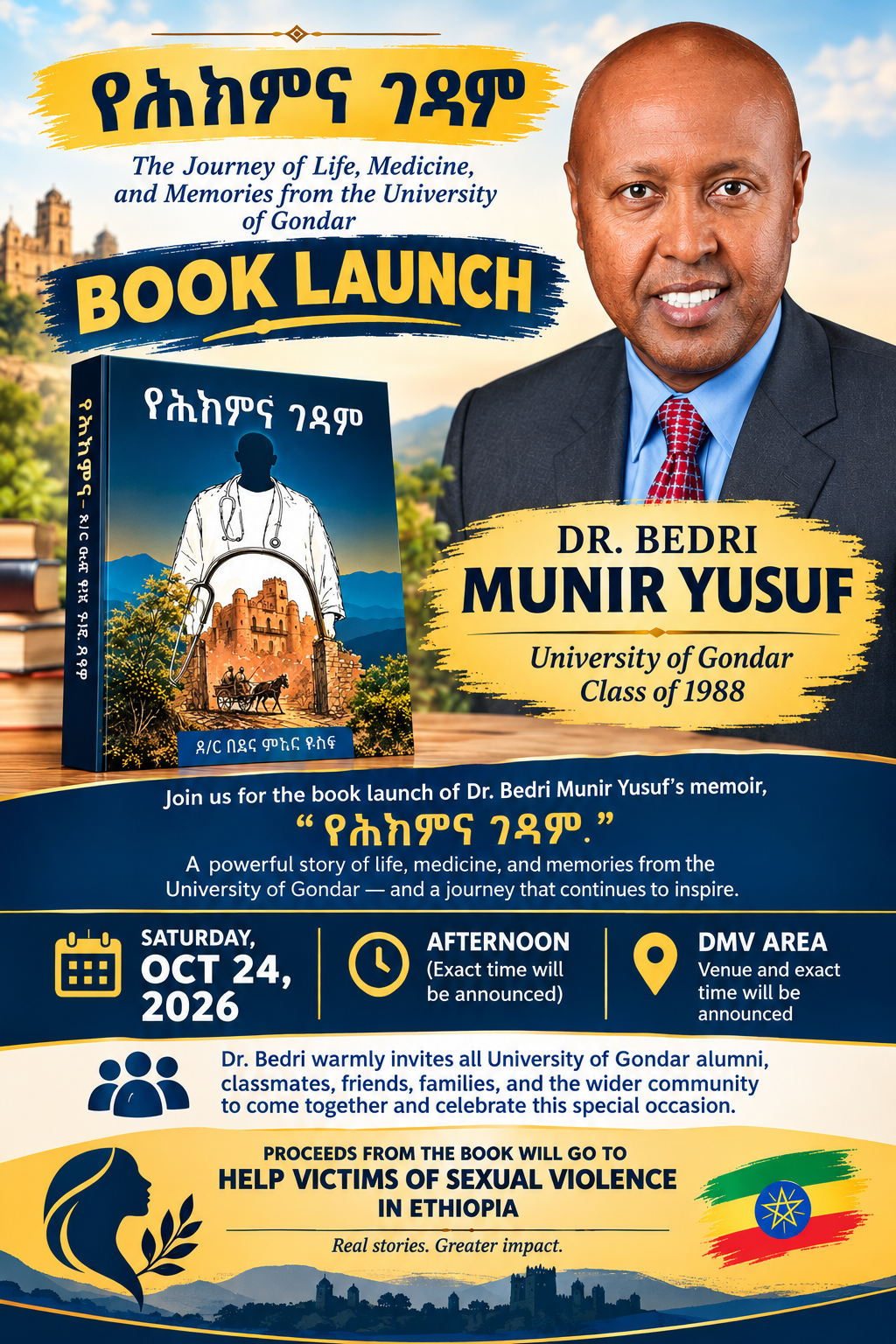
A powerful story of life, medicine, and memories from the...
Read More